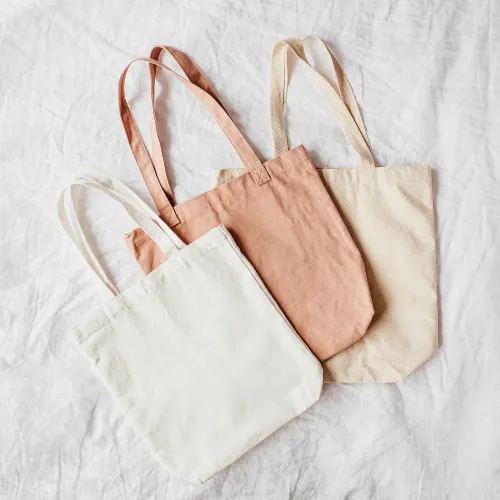
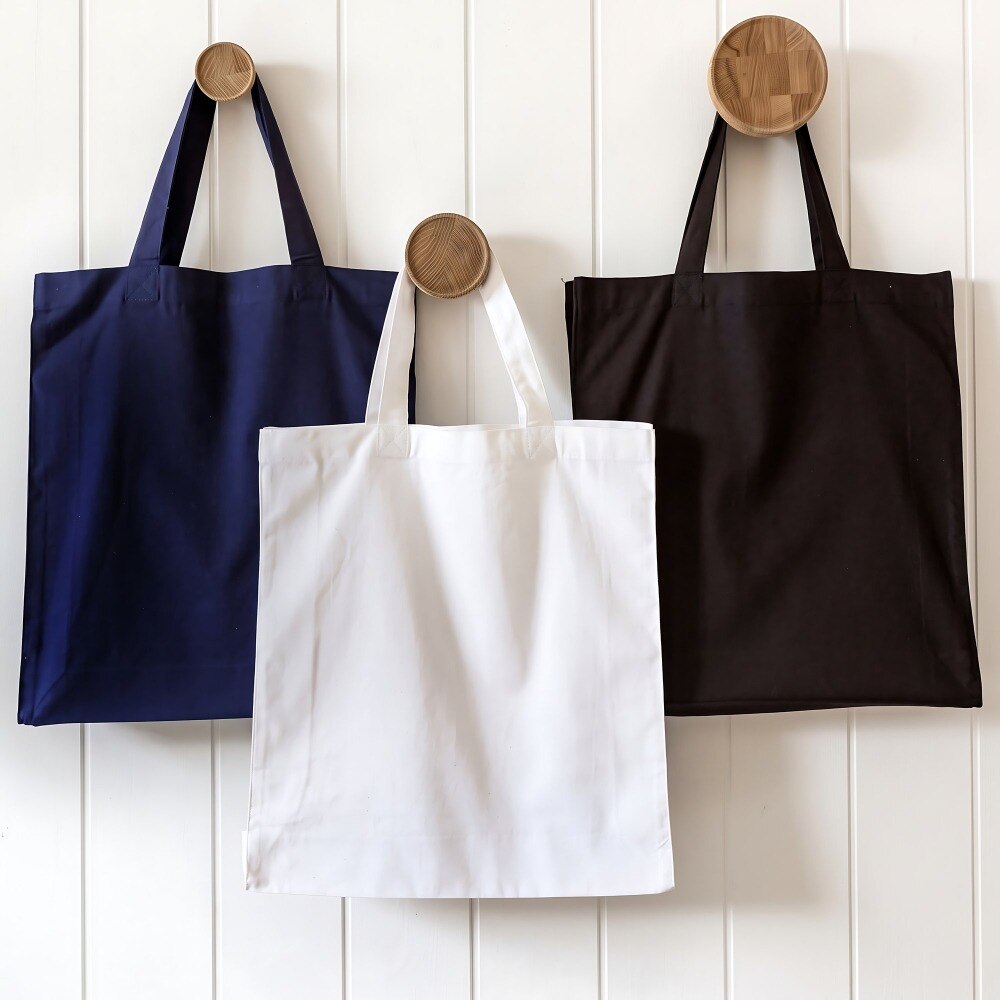
A low unit price does not tell you whether a cotton bag will carry an event kit, reproduce a logo accurately or arrive before a campaign. By defining the bag, fabric, decoration, inspection process and supplier responsibilities in writing, you can compare quotations and approve a bulk order with fewer surprises.
Key takeaways
- Specify cotton type, weave, GSM, dimensions and gusset depth.
- Test handle attachment and seams against the bag’s intended load.
- Choose printing after checking artwork detail, order quantity and colour needs.
- Approve a physical pre-production sample before releasing the full order.
Choose the right bag material and size for the job
Specify the fabric, capacity and construction before discussing the logo. For custom cotton bags in bengaluru, request cotton type, weave, GSM, finished dimensions and gusset depth; do not accept “eco-friendly” as a material specification.
| Material | Best fit | Watch for |
|---|---|---|
| Cotton, 100–140 GSM | Lightweight event handouts and small samples | Lower load capacity and faster creasing |
| Cotton canvas, 180–300 GSM | Books, clothing, product kits and repeat use | Higher fabric, stitching and transport weight |
| Jute | Rustic retail packaging and heavier-looking presentation | Coarser print surface and less comfortable handles |
| Non-woven polypropylene | Large-volume promotions at low unit cost | Different feel, appearance and reuse profile |
| Paper | Short-term retail or conference distribution | Moisture damage and limited reuse |
Choose capacity from the contents, not from the catalogue photo. A 10–15 litre bag suits a book or event kit; 15–20 litres suits groceries; clothing or multiple samples need a deeper gusset and larger base. Measure a packed sample and specify width × height × gusset.
Ask for pre-shrunk fabric if repeatable dimensions matter, then approve a sewn pre-production sample because washing, moisture and heat can change cotton. Specify handle width and drop length, folded or webbing handles, boxed corners, a hemmed mouth, and X-box stitching or bar-tacks at each handle attachment.
Your quotation should state GSM, construction, dimensions, print coverage, packing, taxes, delivery point and how print defects or rejects are handled.
Specify fabric, handles and load-bearing construction
A 180 GSM label does not prove a bag will carry an event kit. The same weight can hide a loose weave, weak yarn, poor tear resistance or a rough surface. Specify cotton type, GSM, weave density and an approved sewn sample; retain that sample for production comparison.
Natural cotton is beige, not neutral white. Its absorbency and shade can alter the finished appearance, while washing, moisture and heat can change dimensions. Ask whether the fabric is pre-shrunk, then measure the sample after the planned finishing process.
Handles deserve their own specification. State the material, width, length, attachment position and whether the handles run continuously around the bag or attach separately. Narrow tape can cut into the hand under load, while short handles make a full bag awkward to carry.
Use this construction checklist in the quotation:
- Match the base and side seams to the intended load; a gusseted base is safer for bulky contents than a flat bag.
- Specify folded, double-stitched hems rather than a single raw-edge seam.
- Require box-and-cross stitching or bartacks where handles meet the body.
- State thread quality, stitch density and seam allowance if repeat orders must match.
- Ask for the finished dimensions, gusset depth and permitted tolerance after sewing.
A dependable supplier will identify these details instead of relying on “eco-friendly” or “heavy-duty” language. Choose a custom cotton bags manufacturer in Bengaluru only after confirming whether cutting and stitching happen in-house or through a named subcontractor, and whether the approved sample matches the supplied bags.
Match the logo decoration to the artwork and quantity
Screen printing suits a large order with one or a few bold logo designs, while digital printing is safer for short runs, gradients or different artwork on each bag. Choose from the artwork and quantity, not from the lowest unit price.
| Method | Artwork fit | Best use |
|---|---|---|
| Screen printing | Solid colours, bold shapes and readable text; fine lines and reversed text need testing | Large quantities with one design |
| Digital direct-to-fabric printing | Gradients, photographs, many colours and multiple versions | Small runs or variable artwork |
| Heat transfer | Sharp small graphics on a coated transfer film | Short runs where screen setup is uneconomical |
| Embroidery | Raised, durable marks without gradients | Simple emblems on thicker cotton or canvas |
Natural cotton is beige, not white. Its shade and absorbency can alter brand colours and reduce contrast, so approve a strike-off printed on the actual bag fabric. Check the logo at its final size for broken fine lines, filled-in counters, weak contrast and misregistered colour layers.
Your artwork specification should name the print method, coverage, number of colours, Pantone or other colour reference, artwork version and acceptable registration tolerance. Retain the approved sample as the reference for fabric shade, logo position and print appearance across every size and colour.
For cotton bags with logo in Bengaluru, make the quotation state fabric GSM, print area, sample charges, packing, delivery point, taxes and responsibility for print defects. A low quote without these fields is not comparable.
Prepare artwork and approve a physical pre-production sample
Before authorising production, approve a sewn pre-production sample, not just a fabric swatch or digital mock-up. Cotton can change size after moisture, heat or finishing, so the sample must represent the finished bag.
1. Send the final artwork file with the logo colours, print dimensions, placement measurements and permitted variations. Check spelling, proportions, fine lines and clear space against the brand master.
2. Ask the branded cotton bags supplier whether the fabric is pre-shrunk, then compare the sample with your specification. Measure bag width, height, gusset depth, handle length and handle width.
3. Check the logo on the actual fabric. Look for accurate colour, even coverage, sharp edges, pinholes, smudging, cracking, poor adhesion and print migration through the material.
4. Inspect construction under load. Check skipped stitches, open seams, loose threads and reinforced handle stress points, then confirm that the bag stands or folds as intended.
5. Approve the sample in writing and record its fabric shade, dimensions, logo position, stitching, handle details and print appearance. Mark it as the bulk-production reference and retain it until delivery inspection is complete.
Do not approve production while artwork or sample changes remain open. Build time into the order schedule for corrections, a second sample, fabric and accessory procurement, bulk inspection, packing and Bengaluru delivery; a missed approval can delay an event even when sewing capacity is available.
Compare Bengaluru suppliers by quotation, inspection and delivery risk
The lowest unit price can become the most expensive option if artwork revisions, rejected bags or late transport disrupt your event. Compare every quote on the same specification, not on the headline price for cotton bags with logo in Bengaluru.
| Supplier model | Verify before comparing | Cost and reliability risk |
|---|---|---|
| Local sewing unit | Visit or confirm the production address; ask whether cutting and stitching are in-house | Fewer handoffs, but capacity may be limited |
| Trading or sourcing office | Identify the sewing subcontractor and obtain its address and production commitment | A low quote can hide added margin and weaker schedule control |
| Unclear legal entity | Check that the quotation issuer, invoice entity and supplying party match | Disputes over defects, tax and accountability become harder |
Demand a line-by-line quote covering:
- Fabric type and GSM, finished dimensions, gusset, handle construction and reinforcement
- Print method, print area, colour count, artwork version and registration tolerance
- Sample or strike-off charges, packing, taxes, delivery point and freight
- Quantity tolerance, inspection method, reject replacement and print-defect treatment
Your true cost includes sample iterations, inspection time, replacement bags and expedited transport. A branded cotton bags supplier that refuses to state these items has not provided a comparable price.
Set dates for artwork approval, physical strike-off, fabric and accessory procurement, bulk production, inspection, packing and Bengaluru delivery. Retain the approved sample as the reference for shade, dimensions, logo position, stitching, handle length and print appearance.
Apply this same verification to DRVY ENTERPRISES BLR and every competing custom cotton bags manufacturer in Bengaluru offering custom cotton bags in Bengaluru.
Related product
 | Custom Cotton Bags Manufacturer in Bangalore, DRVY At DRVY, we specialise in manufacturing custom cotton bags that blend practicality for everyday use with reusable... View product → |
Frequently asked questions
How do you choose the right cotton bag material and size?
Specify the cotton type, weave, GSM, finished width and height, gusset depth, and intended contents before requesting a quotation.
What construction details affect cotton bag load-bearing strength?
Check handle length and width, handle attachment, seam allowance, boxed corners, folded hems and reinforcement stitching against the expected load.
Which logo decoration method suits a custom cotton bag order?
Match screen printing, digital printing, embroidery or other decoration to the artwork detail, colour count, fabric texture and order quantity.
Why approve a physical pre-production sample?
A physical sample lets you verify fabric feel, dimensions, gusset depth, logo placement, colour, handle comfort and stitching before bulk production.
How should you compare cotton bag suppliers in Bengaluru?
Compare itemised quotations, material specifications, artwork charges, sample approval, inspection steps, production time, delivery commitments and replacement terms.
Keywords